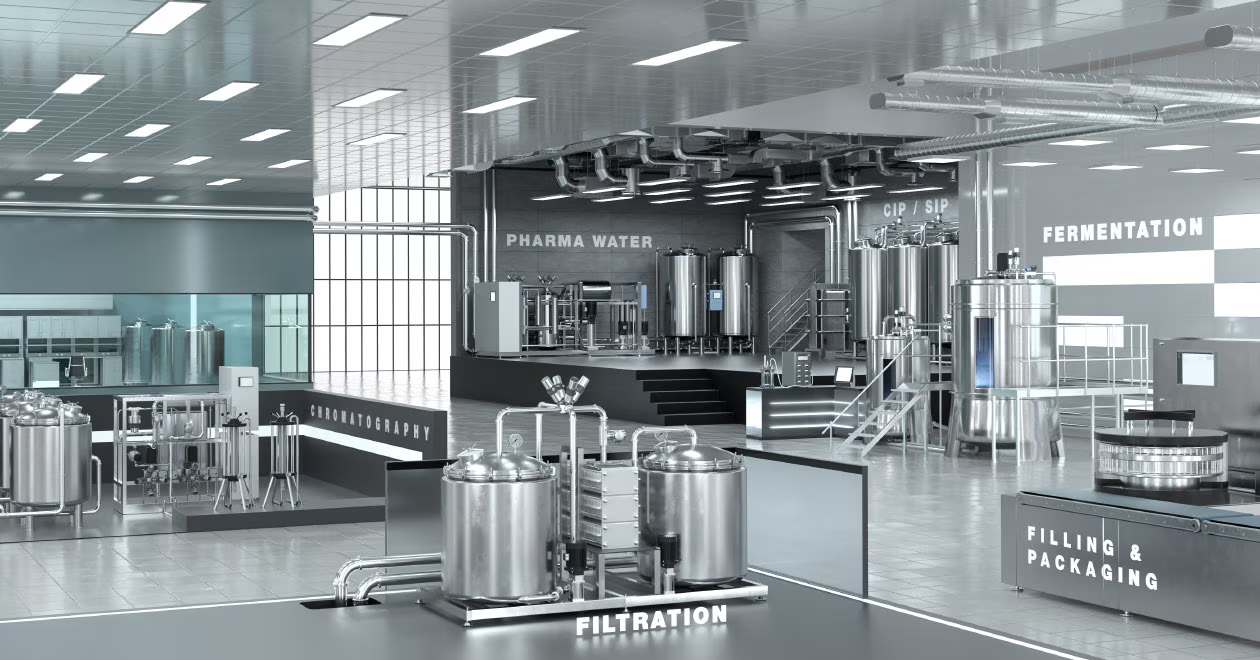
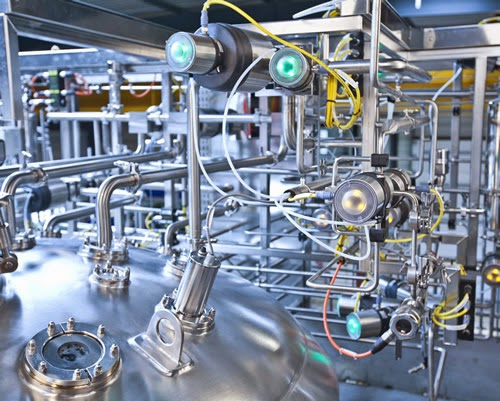
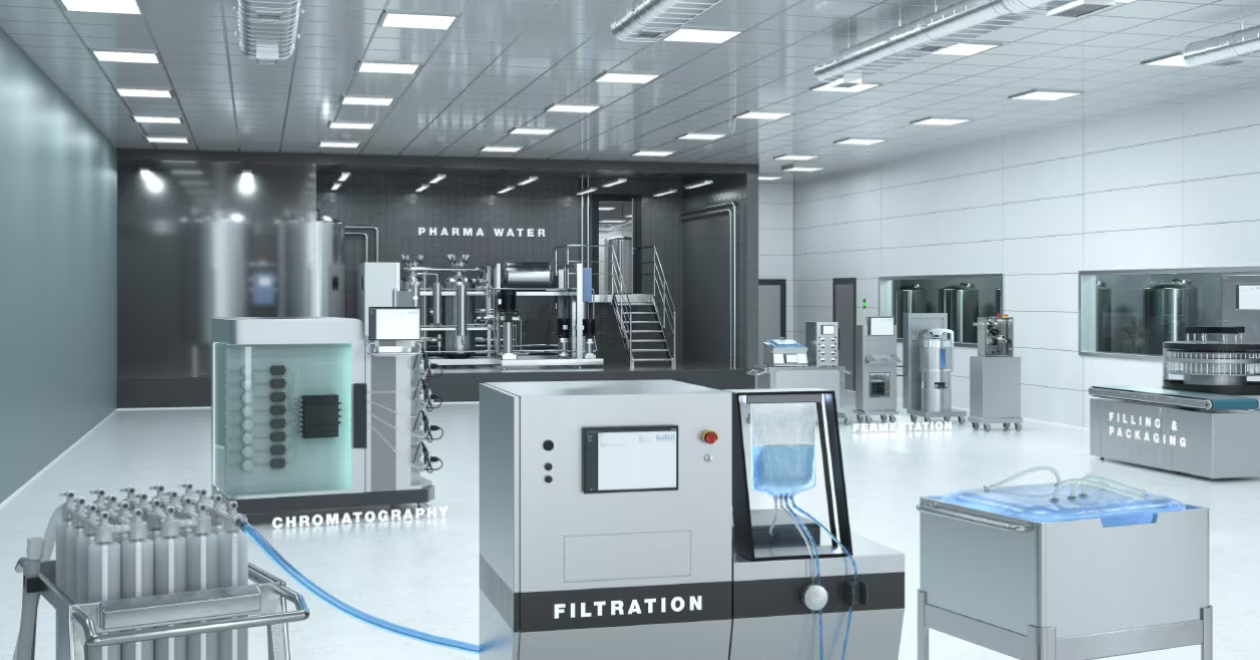
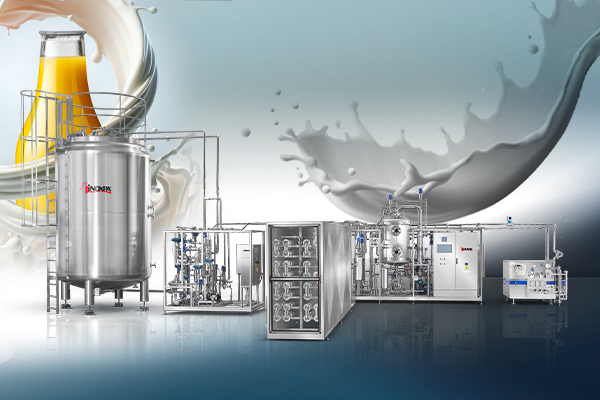
Shift Towards Digitalisation In Pharmaceutical Plants
Like numerous other sectors, the pharmaceutical industry is currently undergoing a significant shift towards digitalisation.
The increasing demand for faster production and distribution of medications drives this movement. In response, pharmaceutical plants need to modernise their operations to become more efficient, sustainable, and intelligent. This transition is crucial to meet the evolving needs of the market while ensuring the highest levels of process safety are maintained.
One of the key aspects of this digital transformation in the pharmaceutical sector is the implementation of advanced technologies such as artificial intelligence and robotics in manufacturing processes. These technologies enable plants to streamline production, reduce errors, and improve overall efficiency. For example, the use of automated systems for quality control can significantly enhance the accuracy and speed of drug testing procedures.
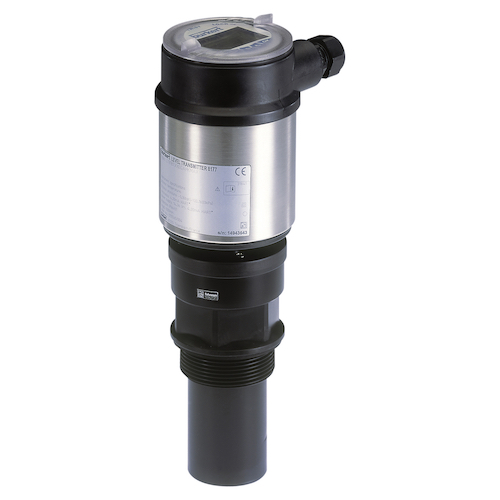
This video created by Burkert UK on digitisation in Pharma Plants showcases the products we can produce for our customers.
In addition to technological advancements, the shift towards digitalisation in the pharmaceutical industry also involves the adoption of data analytics and predictive modelling to optimise supply chain management and distribution processes. By analysing large sets of data, companies can better forecast demand, minimise waste, and improve inventory management. This data-driven approach enhances operational efficiency and contributes to a more sustainable and environmentally friendly pharmaceutical industry.
System Safety and Quality
Furthermore, the emphasis on process safety in the midst of digital transformation is paramount. Pharmaceutical plants must ensure that all operational changes and technological upgrades adhere to strict safety protocols and regulatory standards. This includes implementing robust cybersecurity measures to safeguard sensitive data and prevent unauthorised access to critical systems.
Overall, the digitalisation of the pharmaceutical sector represents a significant opportunity for companies to enhance their competitiveness, meet consumer demands, and contribute to the advancement of healthcare globally. By embracing digital technologies while upholding the highest standards of safety and quality, pharmaceutical plants can position themselves for long-term success in an ever-evolving industry landscape.
To learn more about the digitisation of your process, please visit our site and fill in our contact form https://bmeng.v-ex.dev/flow-meters
or contact BM Engineering Supplies today at 0141 762 0657 or via email at [email protected].
What are the main technological advancements driving digitalisation in the pharmaceutical industry?
The main technological advancements include the implementation of artificial intelligence and robotics, which enable streamlined production, error reduction, and improved efficiency in manufacturing processes.
How does digitalisation contribute to sustainability in pharma plants?
Digitalisation enhances sustainability by using data analytics and predictive modelling to optimise supply chain management and distribution, forecasting demand more accurately, reducing waste, and promoting environmentally friendly practices.
What safety and quality considerations are important during digital transformation in pharmaceutical manufacturing?
All operational changes and technological upgrades must adhere to strict safety protocols and regulatory standards, including implementing robust cybersecurity to protect sensitive data and prevent unauthorized access.
How can pharma companies leverage data analytics and predictive modelling?
Pharma companies can use data analytics and predictive modelling to forecast demand, minimise waste, and improve inventory management, thereby increasing operational efficiency and supporting a more sustainable industry.
Where can I get more information or support regarding digitalisation for my pharmaceutical process?
You can visit the BM Engineering Supplies website and fill in their contact form or reach out directly by phone at 0141 762 0657 or via email at [email protected] for further assistance.
We use cookies on our website to give you the most relevant experience by remembering your preferences and repeat visits. By clicking “Accept All”, you consent to the use of ALL the cookies. However, you may visit "Cookie Settings" to provide a controlled consent.
This website uses cookies to improve your experience while you navigate through the website. Out of these, the cookies that are categorized as necessary are stored on your browser as they are essential for the working of basic functionalities of the website. We also use third-party cookies that help us analyze and understand how you use this website. These cookies will be stored in your browser only with your consent. You also have the option to opt-out of these cookies. But opting out of some of these cookies may affect your browsing experience.
Necessary cookies are absolutely essential for the website to function properly. These cookies ensure basic functionalities and security features of the website, anonymously.
Cookie
Duration
Description
cookielawinfo-checkbox-analytics
11 months
This cookie is set by GDPR Cookie Consent plugin. The cookie is used to store the user consent for the cookies in the category "Analytics".
cookielawinfo-checkbox-functional
11 months
The cookie is set by GDPR cookie consent to record the user consent for the cookies in the category "Functional".
cookielawinfo-checkbox-necessary
11 months
This cookie is set by GDPR Cookie Consent plugin. The cookies is used to store the user consent for the cookies in the category "Necessary".
cookielawinfo-checkbox-others
11 months
This cookie is set by GDPR Cookie Consent plugin. The cookie is used to store the user consent for the cookies in the category "Other.
cookielawinfo-checkbox-performance
11 months
This cookie is set by GDPR Cookie Consent plugin. The cookie is used to store the user consent for the cookies in the category "Performance".
viewed_cookie_policy
11 months
The cookie is set by the GDPR Cookie Consent plugin and is used to store whether or not user has consented to the use of cookies. It does not store any personal data.
Functional cookies help to perform certain functionalities like sharing the content of the website on social media platforms, collect feedbacks, and other third-party features.
Performance cookies are used to understand and analyze the key performance indexes of the website which helps in delivering a better user experience for the visitors.
Analytical cookies are used to understand how visitors interact with the website. These cookies help provide information on metrics the number of visitors, bounce rate, traffic source, etc.
Advertisement cookies are used to provide visitors with relevant ads and marketing campaigns. These cookies track visitors across websites and collect information to provide customized ads.