The 7 Steps of Brewing by BM Engineering Supplies
Understanding the brewing process is essential for anyone working within the beverage industry—from large‑scale breweries to craft producers refining their techniques. This guide breaks down what brewing is and walks through each stage of the brewery process, offering a clear, structured overview designed to help readers and industry professionals alike. By exploring everything from milling and mashing to fermentation, filtration, and packaging, this article gives a complete picture of how raw ingredients are transformed into finished beer.
Alongside the technical steps, we also touch on key trends and challenges currently shaping the brewing industry, including efficiency pressures, sustainability considerations, and evolving consumer expectations. This makes the guide not only an educational resource but also a valuable reference point within your wider content ecosystem on beverage production and industrial processes.

The 7 Steps in Brewing: A Brewer’s Journey from Grain to Glass
At BM Engineering Supplies, we’re proud to support breweries of all sizes with the equipment they need to craft exceptional beer. To celebrate the craft and showcase the process behind every great pint, we’ve broken down the seven essential stages of brewing.
Whether you’re a seasoned brewer or simply curious about how beer is made, here’s a clear and engaging guide to the journey from raw grain to finished brew.
1. Milling
The process begins with milling the malted barley. Here, the grains are carefully crushed into a coarse grist that exposes their starches, setting the foundation for efficient mashing and ultimately shaping the beer’s body and flavour.
2. Mashing
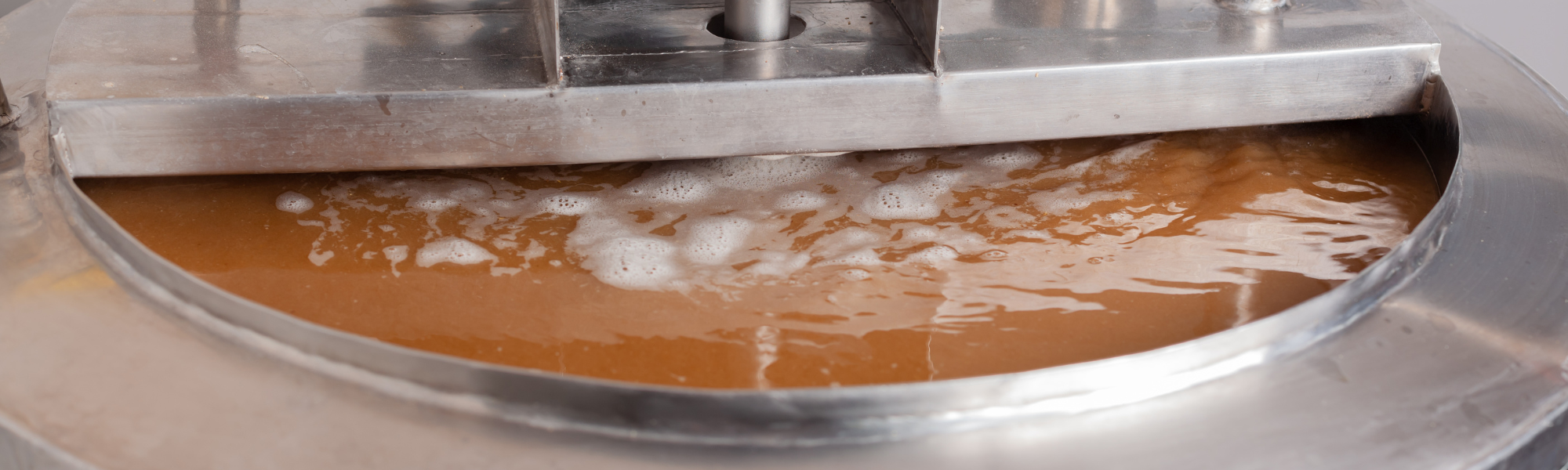
Next, the milled grain is mixed with hot water in the mash tun. This porridge-like mixture activates natural enzymes that convert starches into fermentable sugars—crucial for creating alcohol later in the process. The result is a sugary liquid known as wort.
3. Lautering
During lautering, the mash is separated into spent grain and clear wort. The wort is drawn off through the grain bed, acting as a natural filter, leaving brewers with a sweet, clean liquid ready for the next stage.
4. Boiling
The wort is then boiled for 50–120 minutes. This step sterilises the liquid and is where hops are added. Hops contribute bitterness, flavour, and aroma, balancing the sweetness of the malt and defining the character of the final beer. After boiling, the wort is whirlpooled to remove solids.
5. Fermentation
Once chilled, the wort is transferred to fermentation tanks. Here, yeast works its magic—converting sugars into alcohol and carbon dioxide while developing the flavours and aromas unique to each beer style. Temperature control is key for a consistent, high-quality result.
6. Filtration & Conditioning
After fermentation, the beer is chilled, conditioned, and allowed to settle. Depending on the style, it may also be filtered to stabilise flavour, improve clarity, and ensure shelf-life. This is where the beer reaches its final, refined form.
7. Packaging
With conditioning complete, the beer is packaged into bottles, cans, or kegs—ready for distribution. Modern breweries also prioritise sustainable packaging solutions, ensuring great beer doesn’t come at the expense of the environment.
And just like that, the beer is ready to be enjoyed—served fresh at the brewery or poured at your favourite pub.
Find Everything You Need for Brewing
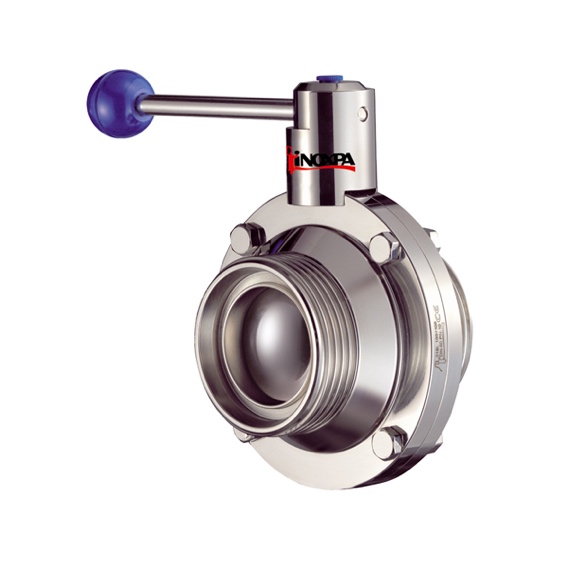
From valves and pumps to hygienic fittings and control solutions, BM Engineering Supplies has everything brewers need to keep their process running smoothly.
Explore our full range of brewing equipment here:
Stay Connected
Connect With BM Engineering Supplies
LinkedIn: https://www.linkedin.com/company/bm-engineering-supplies
YouTube: https://www.youtube.com/channel/UC3546s0-sAomKMkm3QNJCVw
Facebook: https://www.facebook.com/BMEngineeringSuppliesLtd
FAQS