Global Electricity Review 2025: Clean Power Surpasses 40%
Global Electricity Review 2025: Clean Power Surpasses 40%
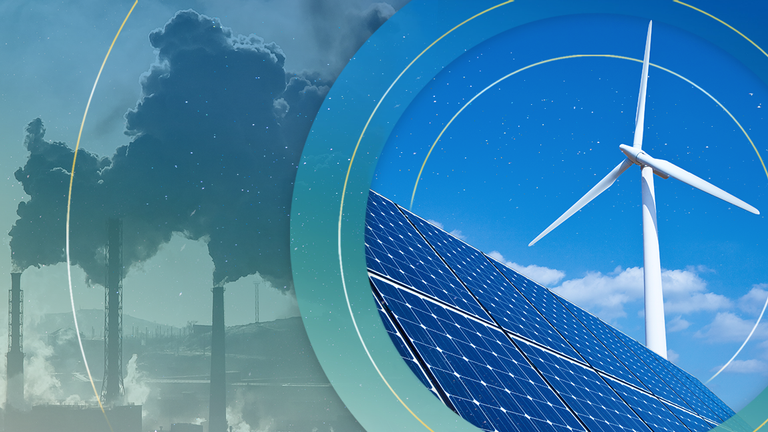
The Global Electricity Review 2025, published by Ember, reveals significant progress in the global energy transition during 2024. For the first time since the 1940s, clean power sources — including renewables and nuclear — have surpassed 40% of worldwide electricity generation. This milestone highlights the accelerating adoption of solar, wind, and other low-carbon technologies amid rising global electricity demand.
For a comprehensive understanding of the previous year’s trends, refer to our Global Electricity Review for 2024.
Key Highlights from the 2025 Review
Clean Power Surpasses 40% of Global Electricity Generation
In 2024, renewables and nuclear collectively accounted for 40.9% of global electricity output, up from 39.4% in 2023. This jump was driven by an unprecedented 858 TWh increase in renewable energy, led by solar and wind. Notably, solar power generation has doubled in three years, contributing over 2,000 TWh worldwide.
Learn more about renewable energy technologies:
Rising Electricity Demand and Its Impact
Global electricity demand rose by 4.0% in 2024, primarily due to extreme heatwaves and electrification trends. This increased demand led to a 1.4% rise in fossil fuel generation, pushing power sector emissions to a new high of 14.6 billion tonnes of CO₂.
Explore energy-efficient products to reduce your carbon footprint:
Regional Trends and Challenges
While regions like China significantly boosted clean energy output (+14%), others, including parts of Europe and the US, experienced setbacks due to decreased wind and hydro generation, leading to higher fossil fuel reliance.
See how we support different sectors:
Implications for the Energy Transition
The 2025 report highlights both progress and challenges:
- The rapid growth of solar and wind is promising for reaching net-zero goals.
- Rising electricity demand and increased fossil fuel use underscore the urgency for enhanced grid modernisation and energy storage.
- Continued investment in renewable infrastructure and smart automation is critical.
At BM Engineering Supplies, we provide cutting-edge products and expert support to help your operations stay efficient and sustainable through this energy transition.
Learn More and Stay Updated
For full details, view Ember’s official Global Electricity Review 2025.
Stay connected with BM Engineering Supplies for the latest insights and sustainable product solutions:
Ready to Improve Your Energy Efficiency?
Browse our full range of sustainable industrial products and automation solutions to support your energy goals:
FAQs
What is the significance of the 2025 Global Electricity Review?
The 2025 Global Electricity Review highlights that for the first time since the 1940s, clean power sources like renewables and nuclear have surpassed 40% of worldwide electricity generation, indicating a significant progress in the global energy transition.
How have renewable energy sources impacted global electricity generation in 2024?
Renewable energy sources, led by solar and wind power, increased by 858 TWh in 2024, and solar power generation alone doubled in three years, contributing over 2,000 TWh worldwide.
What are the main factors driving the increase in global electricity demand and how does it affect emissions?
Global electricity demand rose by 4.0% in 2024 due to heatwaves and electrification trends, which led to a 1.4% increase in fossil fuel generation, resulting in power sector emissions reaching a new high of 14.6 billion tonnes of CO₂.
What regional trends are observed in the 2025 report regarding clean energy?
While China increased its clean energy output by 14%, parts of Europe and the US experienced setbacks with decreased wind and hydro generation, leading to higher reliance on fossil fuels.
What are the key implications of the 2025 energy transition report for future energy policies?
The report emphasizes the need for grid modernization, enhanced energy storage, and continued investment in renewable infrastructure and smart automation to support the ongoing transition to cleaner energy sources.